About Weftwell

Built with, and for, the field

Designed for use in settings such as universities, humanitarian organizations, public health programs, and workforce training teams, informed by experience across global mental health, humanitarian response, refugee health, and workforce wellbeing.

Research

The research behind the practice

Built on 15 years of research in global mental health, psychosocial support, and humanitarian implementation, Weftwell translates evidence-based helping skills into scalable AI simulation, competency assessment, and feedback.

Why this matters

The lack of supervised practice is the barrier

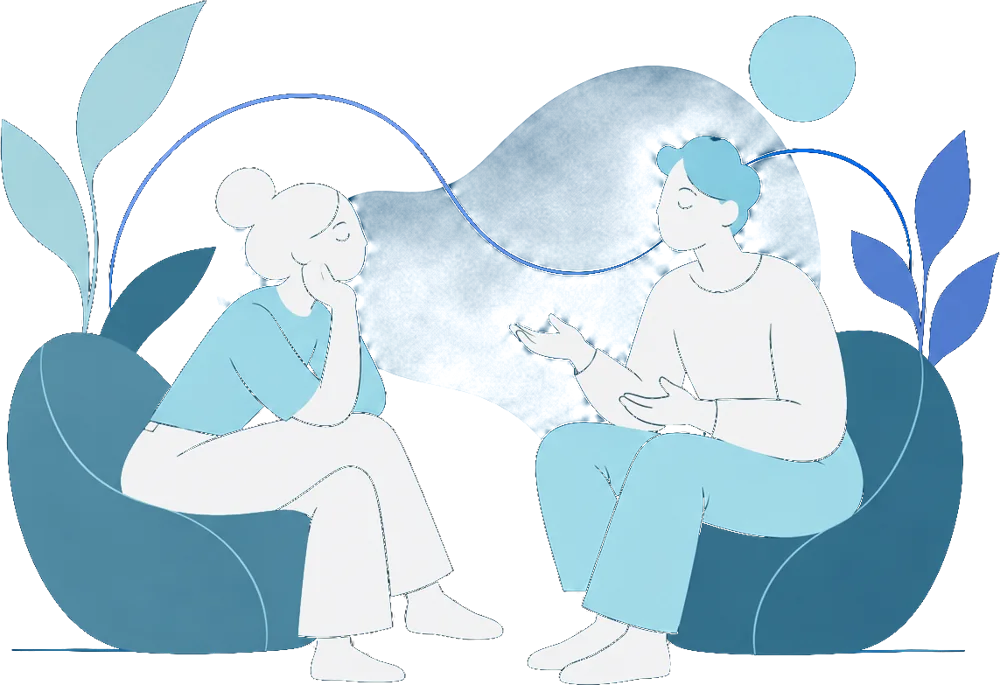
Helping skills develop through repeated practice, timely feedback, and effective supervision. Yet live role-play is difficult to scale, feedback is often delayed, and the conversations that matter most (around safety, disclosure, resistance, and crisis) can be especially difficult to rehearse. Weftwell gives trainees structured, repeatable opportunities to practice these conversations and receive feedback while the learning is still fresh.

Why now

A new opportunity for responsible, scalable learning

AI can make realistic, repeatable practice available at a scale traditional training alone cannot achieve. But in high-stakes helping work, scale is not enough. Simulation must also be safe, supervised, culturally responsive, and grounded in observable competencies. Weftwell is being built to meet that need, combining the reach of AI with the structure, accountability, and human oversight that high-quality training requires.

Research & impact

Grounded in research, built for scale

Weftwell is being developed alongside a review of AI-enabled training in global mental health settings, with a focus on competency measurement, safety, cultural validity, supervision, and skill transfer. The research agenda is practical: can AI-supported simulation help people develop demonstrable, transferable helping skills, safely, equitably, and at scale?

πŸ”¬

How people build capability with AI

Weftwell studies how people develop capability with AI in high-stakes interpersonal work, and builds validated measures to assess whether AI-supported learning transfers into safer, more effective practice.

🌍

Closing the global mental health gap

Weftwell addresses the implementation gap in global mental health by making training, practice, supervision, and fidelity assessment more scalable and culturally adaptable.

Who it is for

Who Weftwell is for

πŸŽ“

Training programs

That need scalable practice and feedback for large cohorts.

🧭

Supervisors

Who need visibility into trainee growth and where to focus support.

🌍

Global mental health & task-shifting programs

Training lay and non-specialist workforces to deliver evidence-based care with fidelity, across contexts, languages, and high-stakes settings.

πŸ§‘β€πŸ«

Educators & workforce programs

Teaching high-stakes interpersonal skills.

πŸ”¬

Researchers

Studying AI-supported capability development and skill transfer.

Responsible use

What Weftwell is not

Weftwell is not a therapy chatbot, diagnostic system, crisis service, or replacement for clinical supervision. It is a practice-and-feedback environment designed to complement formal training, live supervision, face-to-face role-play, and case discussion under appropriate program oversight.

Why Weftwell

The thread that holds the cloth together

In weaving, the weft is the thread drawn across the loom that binds every separate strand into a single cloth, the connective thread that makes a fabric whole. Weftwell carries that idea into care: weaving scattered training, supervision, and skill into a workforce that holds, with wellbeing running through it.

Could Weftwell strengthen your training program?

Tell us who you train and what they need to practice. We can discuss whether Weftwell is a good fit and what a pilot could look like.

No commitment. Initial conversation with the Weftwell team.